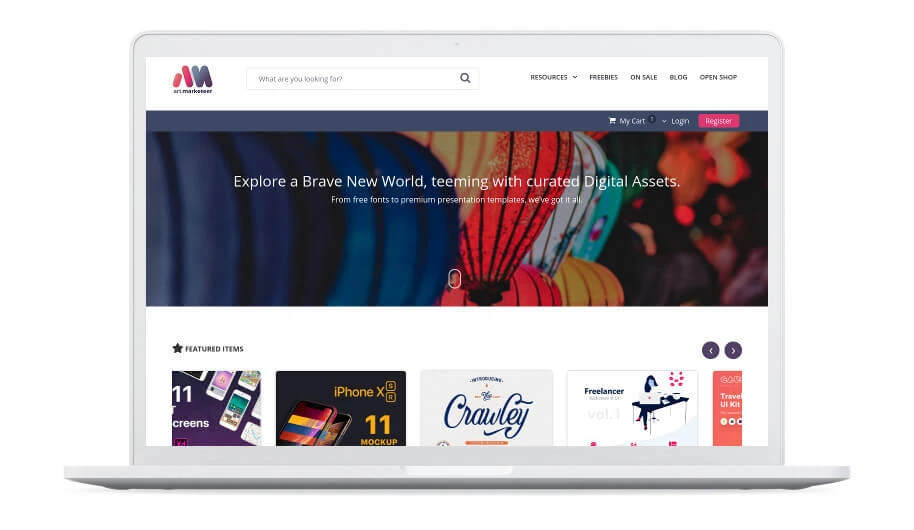
Laravel Multi-Vendor SaaS eCommerce Platform

Cloud-native, API-first and scalable to millions of tenants
marketplace.png

Build a high-performance, multi-vendor SaaS platform like Shopify—completely free and open source. Aimeos and Laravel enable you to launch scalable multi-tenant platforms supporting millions of vendors and billions of items, while monetizing merchant sales and subscriptions.

Key Multi-Tenant SaaS Features

mp_merchant.png

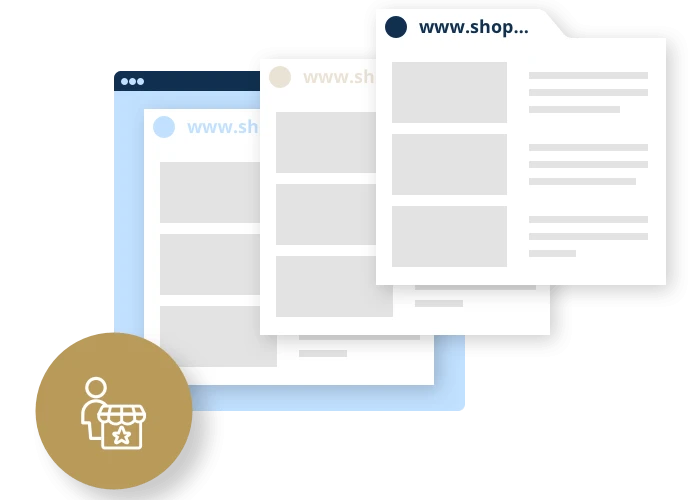
Fully functional shop for each vendor

Give each merchant their own shop where they can sell their products. Vendor shops can even use their own domains while still running on your Laravel SaaS platform. Merchants with several warehouses can also manage multiple stock levels for each product.
mp_market.png

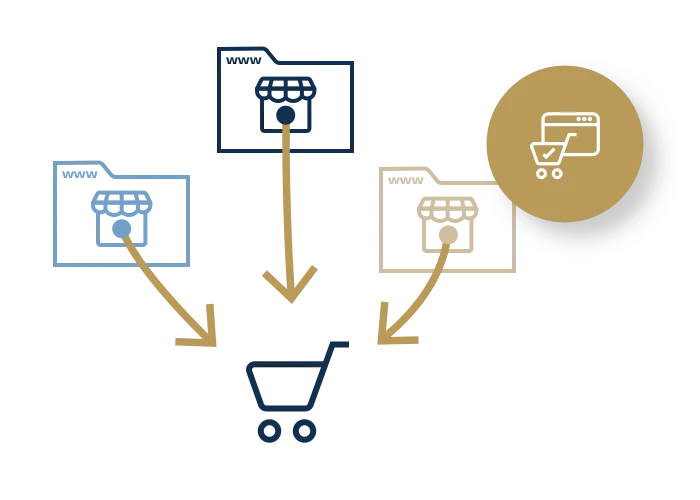
Unlimited number of vendors

Use one Laravel/Aimeos installation to host millions of vendors simultaneously with exceptional performance. Each vendor has access to their own shop site in the administration backend and full control over its content and configuration.

mp_unlimited.png

Scales to an unlimited number of items

Aimeos and Laravel keep your SaaS platform exceptionally fast as it scales. Use a standard relational database such as MySQL or PostgreSQL together with Solr for several million items, or a distributed Elasticsearch cluster for a virtually unlimited catalog.

mp_admin.png

Full-featured admin interface and permission management

View full order details as the SaaS platform owner and help vendors manage their products and content through the administration interface. Restrict merchants to their own sites and assigned capabilities using granular access rights.

image-api.png

API-first or HTML—choose your frontend

Use the responsive HTML frontend or build your own mobile or progressive web application (PWA) with the JSON REST API. All Aimeos features are available across Laravel frontends, while administration is possible through either the web interface or the Aimeos GraphQL API.

aimeos-lighthouse.png

Excellent Google Lighthouse results

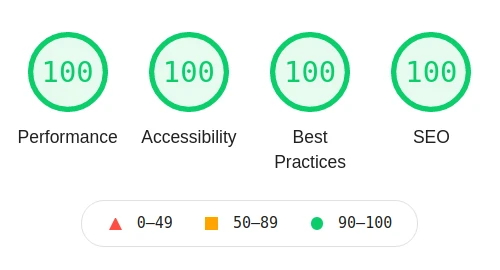
We continuously test Aimeos with Google Lighthouse and achieve full marks across performance, accessibility, best practices and SEO. Analyze your marketplace and experience the outstanding quality and speed of the Aimeos Laravel e-commerce marketplace.

Launch Your Laravel SaaS Marketplace in Minutes

Get your multi-tenant eCommerce platform up and running in minutes with standard Composer commands. Deploy as a standalone shop or integrate seamlessly into your existing Laravel stack.

# Install into an existing Laravel application
composer require aimeos/aimeos-laravel
php artisan vendor:publish --tag=aimeos-setup
php artisan migrate

# Or create a turnkey standalone SaaS shop
composer create-project aimeos/aimeos myshop

Showcases

Art & Exhibitions Marketplace

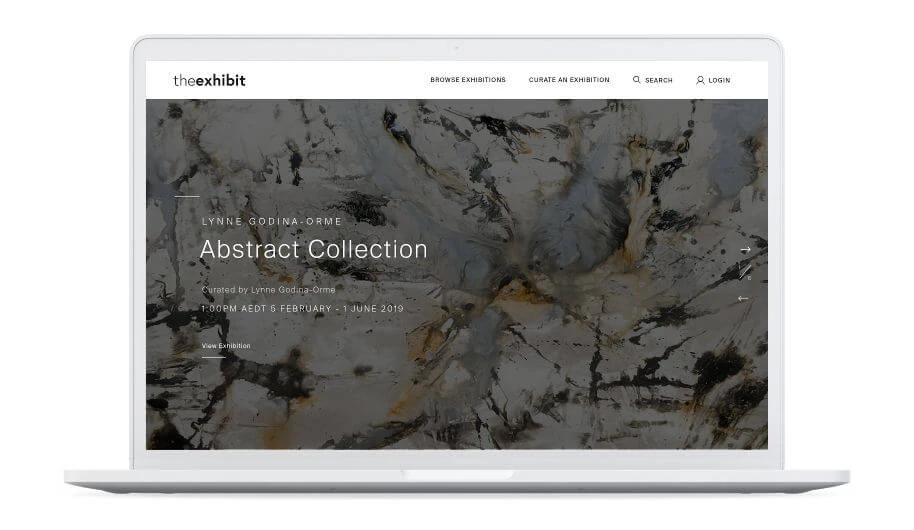
theexhibit.io – Connecting international galleries, independent artists, and collectors on a scalable multi-vendor platform.

Frequently Asked Questions About Laravel SaaS eCommerce

How does multi-tenancy work in Aimeos with Laravel?

Aimeos uses a high-performance hierarchical multi-site architecture. A single Laravel installation can host millions of independent vendor sites. Each tenant's catalog, orders, customers, and configuration are completely isolated—either logically via site identifiers or across separate databases. Tenants can easily bind custom domains or subdomains through multi-site domain configuration. For unified storefronts across multiple sellers, explore our multi-vendor marketplace platform.

How can I monetize my multi-vendor SaaS eCommerce platform?

Aimeos supports all common SaaS monetization models:

  • Commissions on sales: Automatically split payments and deduct platform commissions during checkout.
  • Subscription plans: Charge merchants recurring monthly or yearly fees for shop hosting and premium tiers using Aimeos extensions.
  • Listing fees & promotions: Charge vendors to feature products on homepages or category banners.
  • Value-added services: Offer premium delivery options, payment gateways, or custom design services.

Can vendors manage their own inventory, shipping, and payments?

Yes. Each vendor gets dedicated access to their own administrative backend. Merchants can manage products, track multi-warehouse inventory, configure custom shipping rules, set up payment credentials, and process customer orders independently, without access to platform settings or competitor data.

Can each tenant use their own custom domain and custom branding?

Yes. Aimeos natively supports custom domain mapping and subdomains per merchant. Vendors can personalize their storefront branding, logos, color palettes, and layouts while the platform operator maintains unified codebase maintenance, centralized updates, and cloud hosting.

What are the infrastructure requirements to scale to millions of items?

Aimeos is engineered for ultra-fast performance with sub-20ms response times and an ultra-low memory footprint (< 4 MB per request). A standard MySQL or PostgreSQL database easily supports small to mid-sized SaaS platforms. For marketplaces with millions of vendors and catalogs exceeding one billion products, Aimeos integrates seamlessly with Solr and distributed Elasticsearch clusters for instantaneous search and faceted navigation—proven by our #gigacommerce benchmark.

Launch Your Laravel SaaS Marketplace Today

Experience the speed, multi-tenant scalability, and flexibility of Aimeos firsthand. Test drive the live storefront demo, browse the architecture documentation, or install the open-source package to launch your platform.