THE Laravel Marketplace Platform » Multi-Vendor eCommerce «

Cloud-native, API first and scalable to billions of items
marketplace.png

Create your own feature-rich, multi-vendor eCommerce marketplaces based on Laravel as a one-stop shop for customers of your segment, area, or target group and monetize your platform by earning commissions from merchant sales. The Aimeos multi-vendor eCommerce marketplace extension and Laravel enable you to build cloud-native, API-first, and scalable eCommerce platforms easily, tailored exactly to your needs.

How it works

More videos

Laravel Marketplace Highlights

Aimeos is the leading Laravel marketplace application, engineered to scale beyond Amazon-level volumes. Effortlessly handle billions of products and unlimited merchants with ultra-low response times. Featuring single-basket checkout, custom vendor domains, multi-tier trees, and full API-first flexibility, Aimeos delivers unmatched speed and enterprise control.

mp_market.png

One marketplace, unlimited vendors

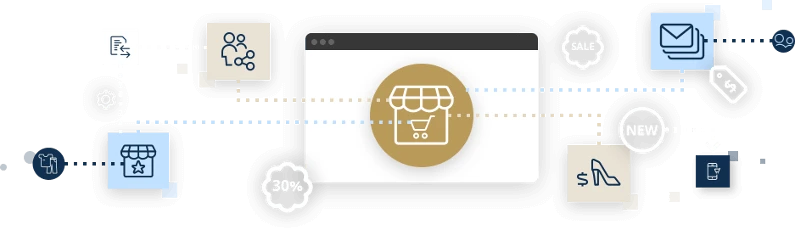
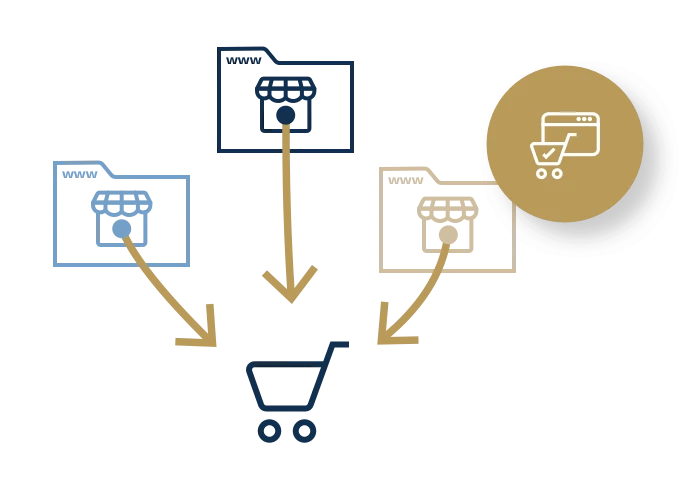
Enable customers to buy products from any vendor in your marketplace using a single basket, checkout, and payment. Each vendor can access their ordered products and the required order details, then update the delivery status themselves.

mp_merchant.png

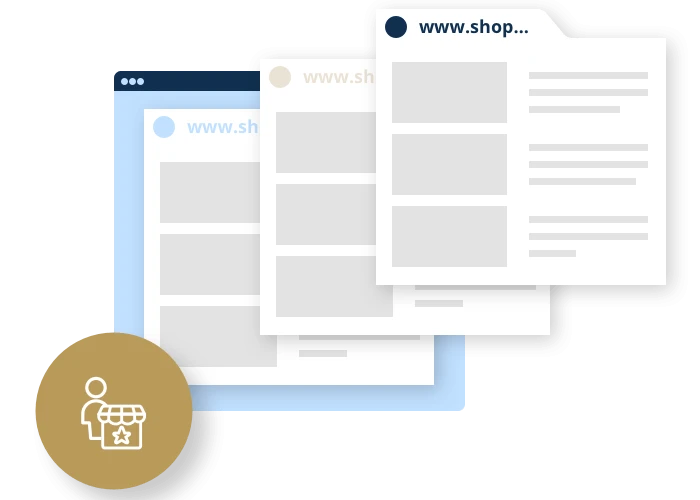
A fully functional shop for every vendor

Give each merchant their own shop where they can sell their products. Vendor shops can even use their own domains while remaining part of your Laravel marketplace platform. Merchants with several warehouses can also maintain multiple stock levels for each product.

mp_trees.png

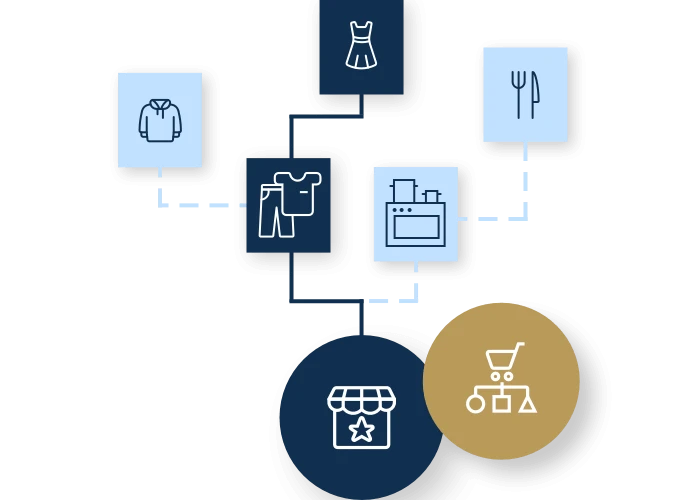
Build trees of specialized marketplaces

Create dedicated marketplaces for different segments and combine all products in a parent marketplace. Aimeos supports multi-level marketplace trees without sacrificing performance and gives you fine-grained control over what is available at each level.

mp_unlimited.png

Scale to a virtually unlimited number of items

Aimeos and Laravel keep your marketplace fast as it scales. Use a standard relational database such as MySQL or PostgreSQL, combine it with Solr or Elasticsearch for several million items, or use a distributed NoSQL database for a virtually unlimited catalog.

mp_standard.png

Enable dropshipping or affiliate marketing

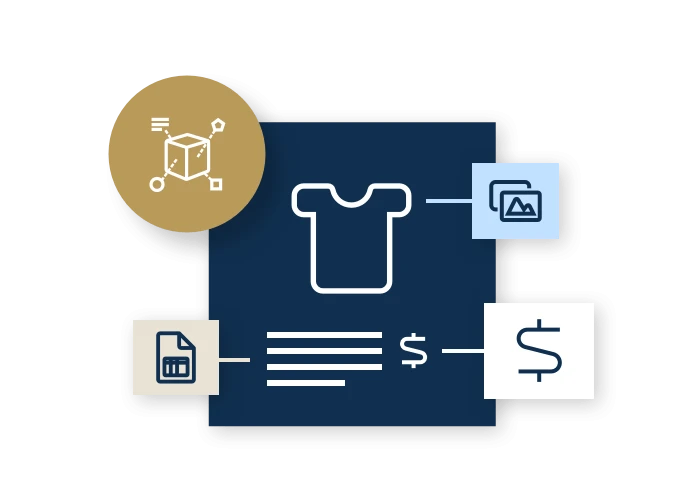
Add products to your platform and make them available to vendor shops for dropshipping. Merchants can enable these products and add their own prices, text, and images that are visible only in their shops. Product enrichment can also be disabled to use the same system for affiliate marketing.

mp_admin.png

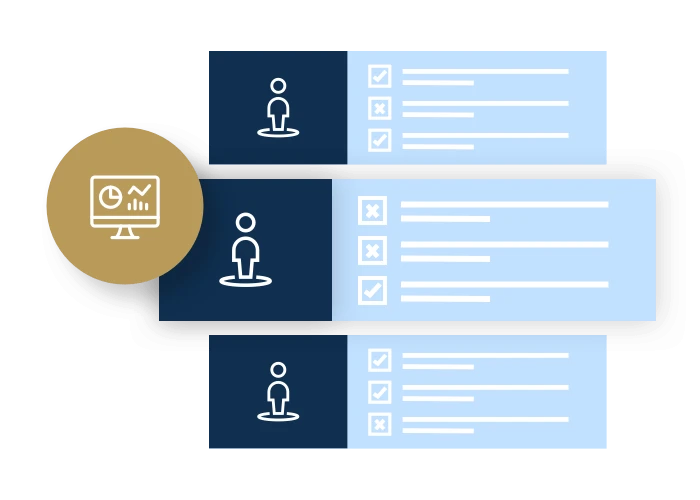
Full-featured administration and permission management

View complete order details as the marketplace owner and help vendors manage products and content through the administration interface. Restrict merchants to their own sites and permitted features by assigning appropriate access rights.

image-api.png

API-first or HTML: choose your frontend

Use the responsive HTML frontend or build your own mobile app or progressive web application based on the JSON REST API. All marketplace features are available across Laravel frontends, while administration is possible through the web interface or the Aimeos GraphQL API.

aimeos-lighthouse.png

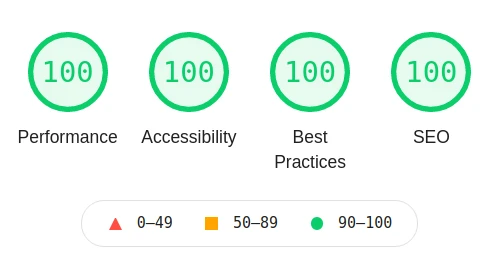
Outstanding Google Lighthouse results

We continuously test Aimeos with Google Lighthouse and achieve full marks across performance, accessibility, best practices, and SEO. Analyze your marketplace and experience the quality and speed of the Aimeos Laravel eCommerce marketplace.

Laravel marketplace Showcases

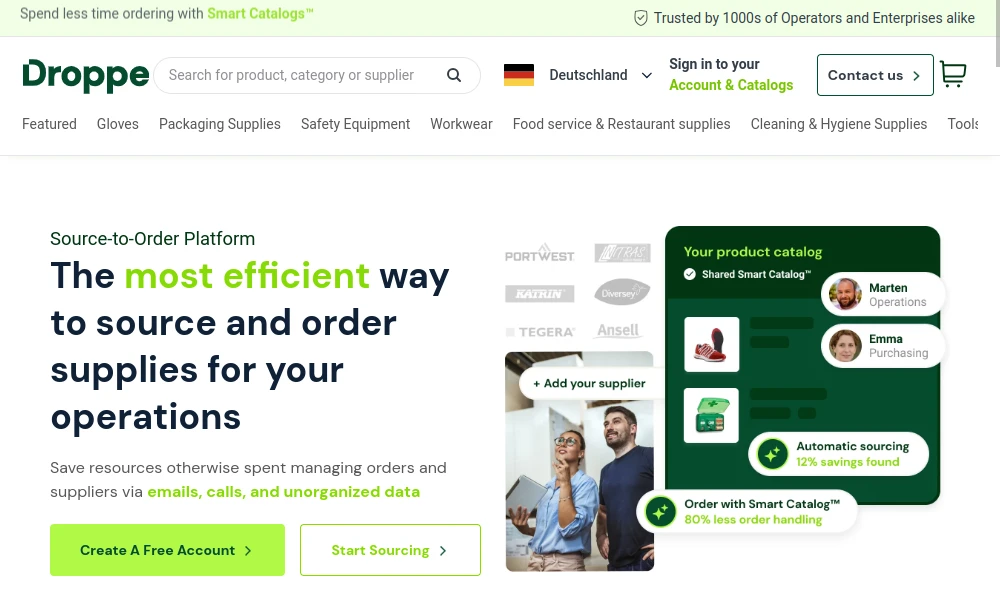
Check Aimeos yourself and discover our Laravel marketplace showcases from different segments:

droppe.com

B2B Marketplace | Medical

Want to see a demo?

Write us and get access to our full-featured Laravel marketplace demo

Laravel marketplace Case study

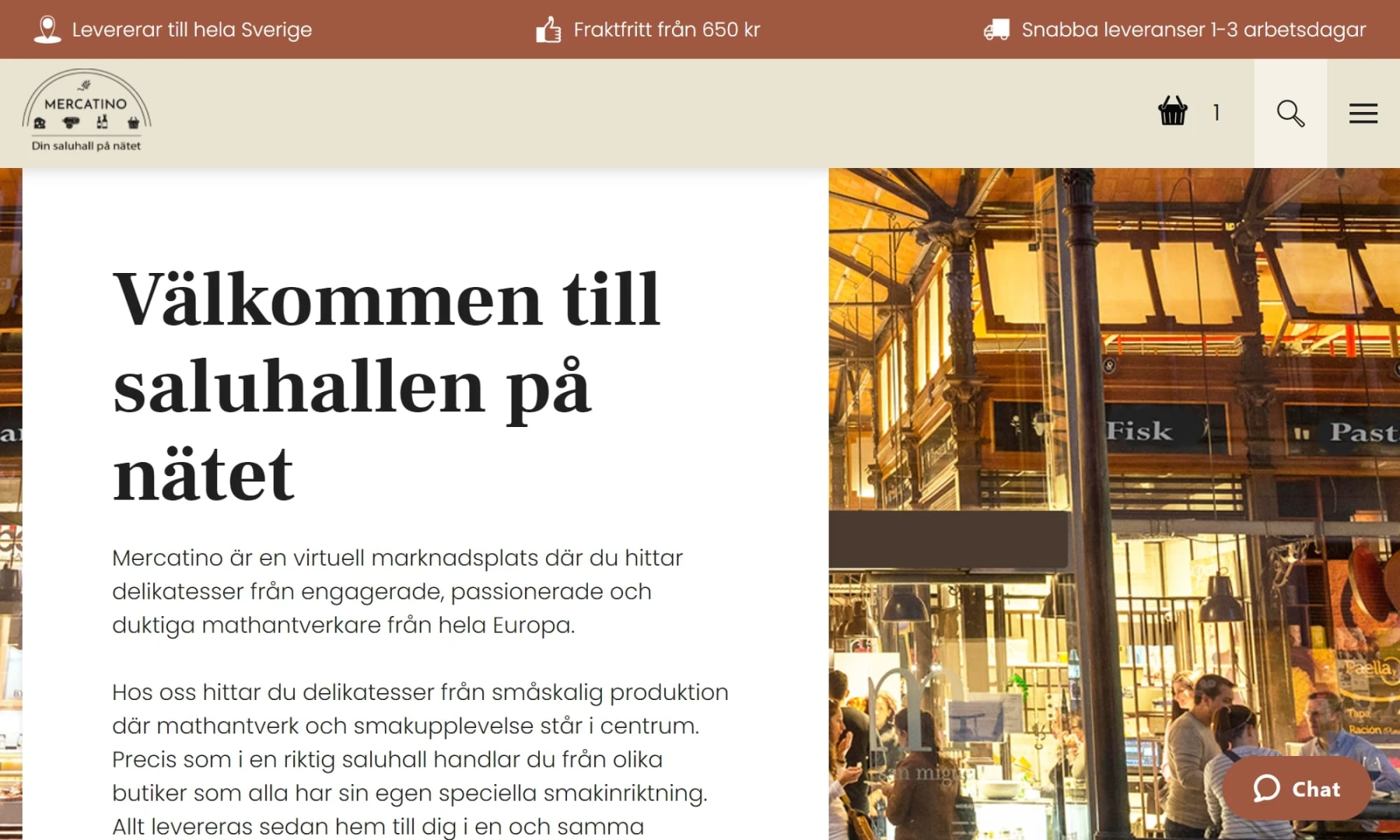
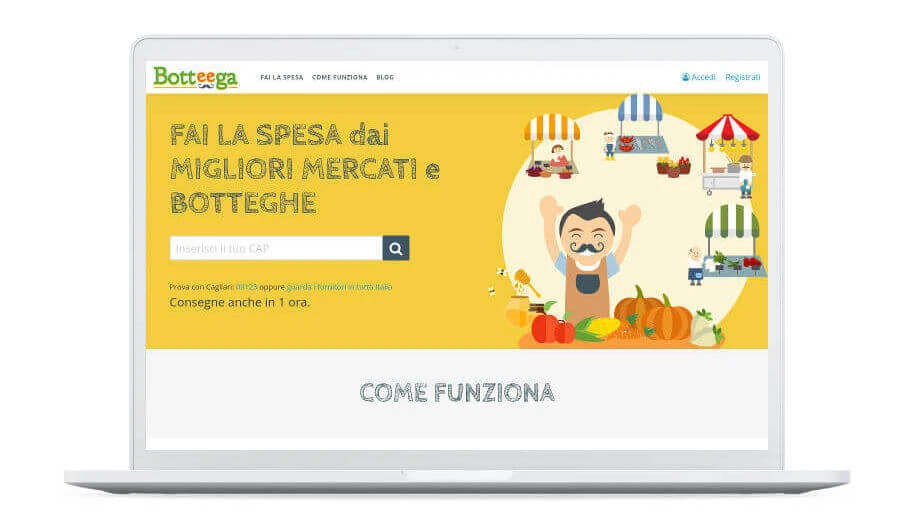
In our case study of Botteega, a market place for grocery shopping, you can follow their journey of implementing Aimeos and see the end result

Italian local food market

Multi-vendor food market place in Italy for delivering food from local markets at home

screen-botteega.com.jpg

Frequently Asked Questions

Do I get the source code?

Yes, you will get the full source code of the extension after you've bought it so you can adapt and extend it fully to your own needs. It's also not scrambled nor encrypted and works with all supported PHP versions without any PHP extensions required. Installation and update of the extension requires composer, the PHP package manager.

How much does it cost?

The price depends on how long you want to get support and updates for the marketplace extension. At least one year of support and updates is always included and you can extend that period up to five years. For non-profit organizations and students we also offer large discounts. For details, please have a look at the marketplace extension in the Aimeos shop or contact us if you have further questions.

Can I build my own frontend based on React.js or Vue.js?

Yes, Aimeos is perfectly suited as headless backend for your own frontend based on React.js or Vue.js. It offers a world class JSON REST API modeled after the jsonapi.org standard which is extremely scalable and easy to implement. Use it to build your own progressive web application (PWA) or native mobile application for Android and iPhones.

Is the combination with the #gigacommerce extension possible?

Yes, the Aimeos marketplace extension is fully compatible with the Aimeos #gigacommerce extension. You can use both in the same installation to build an extremely scalable marketplace with millions of vendors and 1+ billion items.

Due to the document-oriented nature of ElasticSearch used by the #gigacommerce extension, inheriting product data from the marketplace and adding e.g. an own price by the vendor isn't possible. Instead, a copy of the complete product is created for each vendor.

Can I upgrade my existing Aimeos installation to a marketplace?

Yes, by installing and configuring the Aimeos marketplace extension, you can turn your existing Aimeos installation into a marketplace platform. All existing configuration and data will still be available. In addition, the marketplace extension allows you to create sub-sites for segments and/or vendors.

Can all vendors have their own shop in addition?

Yes, additionally to the market place, all vendors have their own shop area where only their products are shown. You can also configure each shop to be available at a subdomain or even at a custom domain owned by the vendor. Thus, you can offer combined Amazon and Shopify features in one Aimeos setup.

Want to know more?

Ready to launch your multi-vendor marketplace? Contact our team to discuss your architecture, licensing options, and custom enterprise requirements.