

The Symfony ecommerce framework

Ultra fast, Open Source and scalable to #gigacommerce
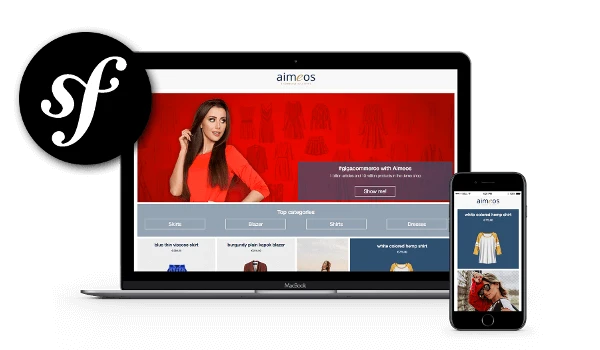
Aimeos Symfony eCommerce shop interface preview

Key Features of Aimeos for Symfony eCommerce

Build full-featured, ultra-fast online shops, marketplaces, or complex B2B applications, including dropshipping and affiliate systems, with a widely used, cloud-native, API-first Symfony eCommerce platform that scales from one to more than one billion items. Aimeos runs on AWS, Google Cloud, Microsoft Azure, and Kubernetes-based infrastructure.

image-multi.png

Multi-Vendor, Multi-Channel, and Multi-Warehouse Commerce

Use the Aimeos Sites extension, which provides hierarchical multi-tenancy out of the box, to create subsites for regional or niche marketplaces, individual vendors, and country-specific portals.
image-products.png

Bundles, Events, Vouchers, Virtual, Configurable, Custom, and Grouped Products

Use all the product types your shop needs and combine them with paid downloads, priced configurable attributes, and custom input attributes. Create complex product types and manage them efficiently with reusable dataset templates.

image-fast.png

From One to More Than One Billion Items with 20ms Response Times

Scale your eCommerce platform with the #gigacommerce extension. Use Elasticsearch to support virtually unlimited growth as your product catalog expands.

image-abo.png

Turn Products into Subscriptions with Recurring Payments

Sell products, services, or virtual goods at flexible intervals, and let Aimeos automatically capture payments through the payment provider whenever subscriptions renew.

image-payment.png

Connect to More Than 100 Open-Source Payment Gateways

Use the Omnipay PHP library to authorize and capture payments through major payment service providers, including PayPal, Stripe, and many others.

image-saas.png

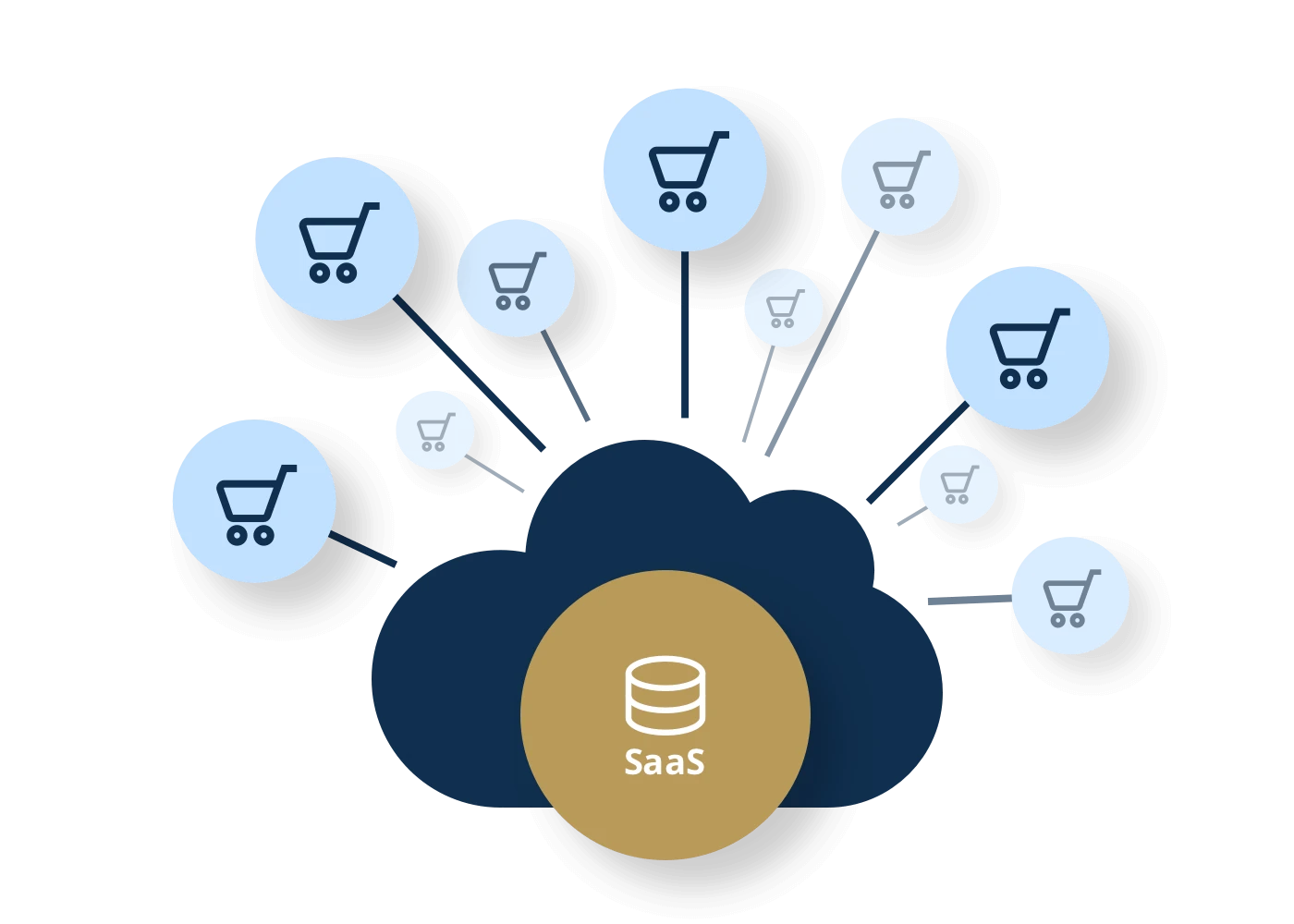
Multi-Tenant eCommerce SaaS Out of the Box

Host an unlimited number of full-featured online shops for your merchants in one installation without additional license costs. Each shop can have its own products, inventory, payment and delivery options, and order management.

image-api.png

Powerful JSON REST and GraphQL APIs

Build custom frontends, progressive web applications, and native mobile apps with the Aimeos JSON REST API based on the industry-standard JSON:API specification. Manage shop data efficiently through the GraphQL Admin API.

Explore the Aimeos Demo Setups

Aimeos Symfony eCommerce shop interface preview

The Simplest Way to Launch a Symfony eCommerce Store

Get your Symfony online shop running in less than five minutes. Install the package into an existing Symfony application using Composer and run the automated setup command to populate database tables and sample products:

# 1. Install the Aimeos eCommerce bundle
composer require aimeos/aimeos-symfony

# 2. Run the database setup and import demo catalog
php bin/console aimeos:setup --option=setup/default/demo:1

# 3. Clear cache and start the local Symfony server
php bin/console cache:clear
symfony server:start

Embed eCommerce Components into Twig Views

Embed shop components directly within your Symfony Twig views and controllers with standard container injection:

$shop = $this->container->get('shop');
$this->render( 'Catalog/list.html.twig', [
    'listhead' => $shop->get('catalog/lists')->getHeader(),
    'listbody' => $shop->get('catalog/lists')->getBody()
]);

Build your custom Symfony ecommerce easily

use \Aimeos\Controller\Frontend;

$cntl = Frontend::create($context, 'product');
$items = $cntl->uses(['text', 'media', 'price'])
    ->category(123)->text('sneaker')
    ->sort('name')->slice(0, 48)->search();

Aimeos Symfony eCommerce FAQ

Which Symfony versions are supported?

Aimeos is fully compatible with modern Symfony versions, including Symfony 6.4 LTS and Symfony 7.x. It runs seamlessly on PHP 8.2, 8.3, and newer releases, backed by continuous integration testing across all supported Symfony LTS releases.

Is Aimeos a standalone shop application or a Symfony bundle?

Aimeos is provided as an open-source Symfony bundle (aimeos/aimeos-symfony) that integrates into any existing or new Symfony application. You have complete architectural freedom: use pre-built Twig templates and controllers for a full turnkey store, embed individual components (such as catalog, cart, or checkout) into existing routes, or run it completely headless.

Can Aimeos be used headlessly with Next.js, React, or mobile apps?

Yes. Aimeos provides a high-performance JSON:API-compliant REST API and a GraphQL Admin API. You can use Symfony as an API-first backend to power frontends built with Next.js, Nuxt, React, Vue, or native iOS and Android mobile apps.

How does Aimeos handle multi-vendor marketplaces and multi-tenancy?

Aimeos includes hierarchical multi-tenancy out of the box. You can host an unlimited number of vendors and subsites within a single Symfony installation. With the marketplace extension, each merchant receives a dedicated management dashboard, while buyers enjoy a unified storefront with consolidated shopping carts and automated vendor order splitting.

How does Aimeos achieve sub-20ms response times with 1+ billion items?

Aimeos features a lightweight architecture with intelligent multi-level caching and a minimal memory footprint (< 4 MB per request). With the gigacommerce extension, catalog search and faceted filtering are offloaded to Elasticsearch or vector databases, maintaining sub-20ms response times even across catalogs with over one billion items (read our #gigacommerce benchmark).

Which payment gateways and shipping providers are supported?

Through the integrated Omnipay PHP library, Aimeos connects to more than 100 payment gateways worldwide, including Stripe, PayPal, Mollie, Adyen, Klarna, and Authorize.Net. Shipping integrations support DHL, UPS, FedEx, standard flat rates, and custom delivery calculators.

Is Aimeos free and open source for commercial projects?

Yes. The core Aimeos framework and Symfony bundle are free and open source under LGPLv3 and MIT licenses. You have complete code ownership with no recurring subscription fees, gross merchandise volume (GMV) royalties, or vendor lock-in. Commercial enterprise extensions, custom development, and SLA-backed LTS support are available directly from the core team.

Ready to Build Your Symfony eCommerce Platform?

Build and deploy with open-source freedom, or partner with the Aimeos core team for enterprise customization, SLA-backed support, and multi-tenant scaling.